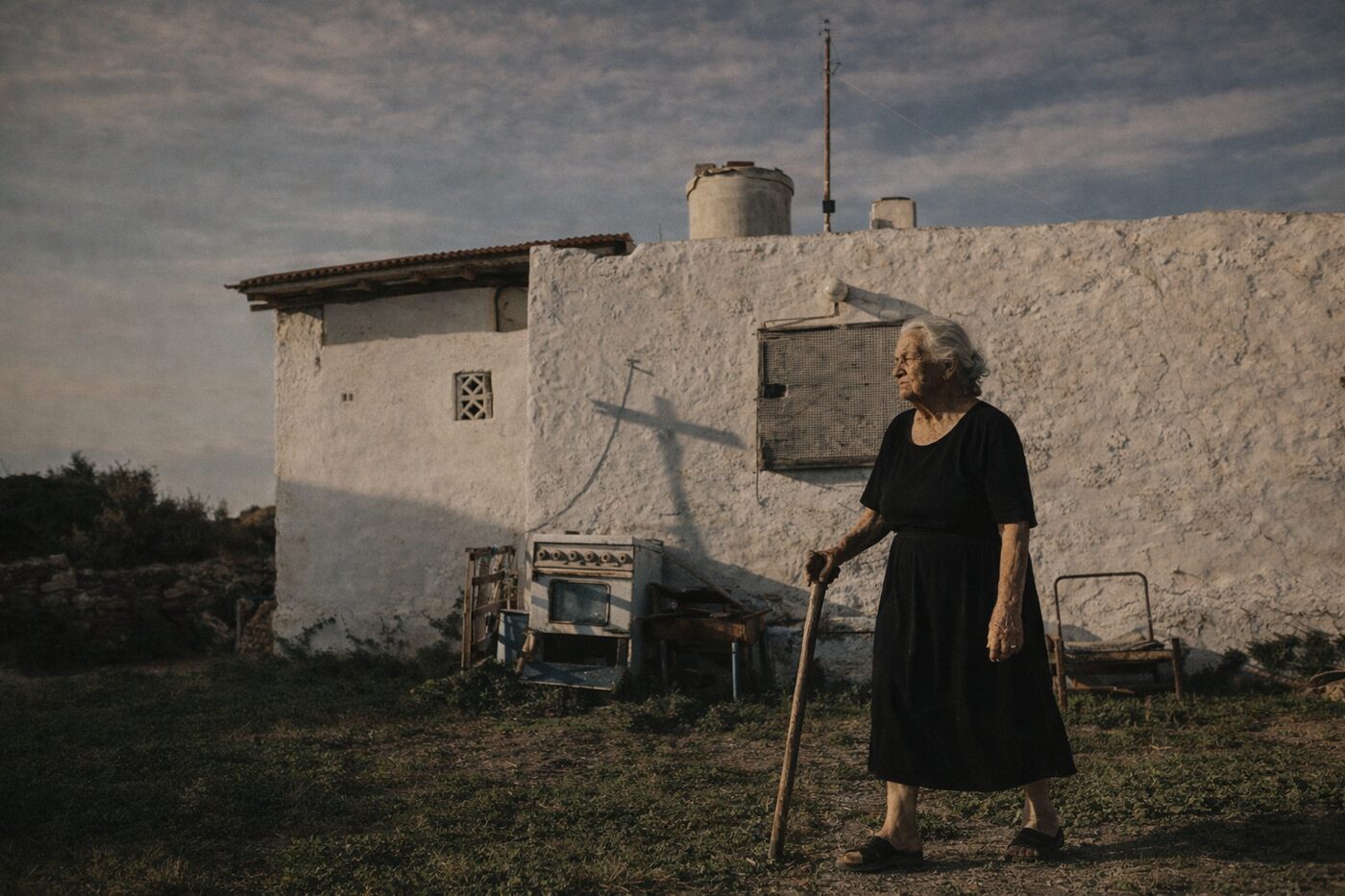
"Everything comes from patience."
Bread was always prepared before dawn in Maria Papadopoulou's home, the kitchen already warm when others first stirred. Born in a village near Kalamata on 1 December 1930, she grew up during years when necessity governed every act and nothing was wasted. In Athens, where she died on 6 February 2025, Maria was known for moving quietly through her days, ensuring the house and the lives within it held steady. There was no display, only order, and a patience that shaped each morning. The habit of keeping food aside — for family, for neighbours, for the street cats — carried through every stage of her life. The same steadiness guided her hands at the bakery counter in Athens, where the day's first loaves were set out before the city was fully awake.
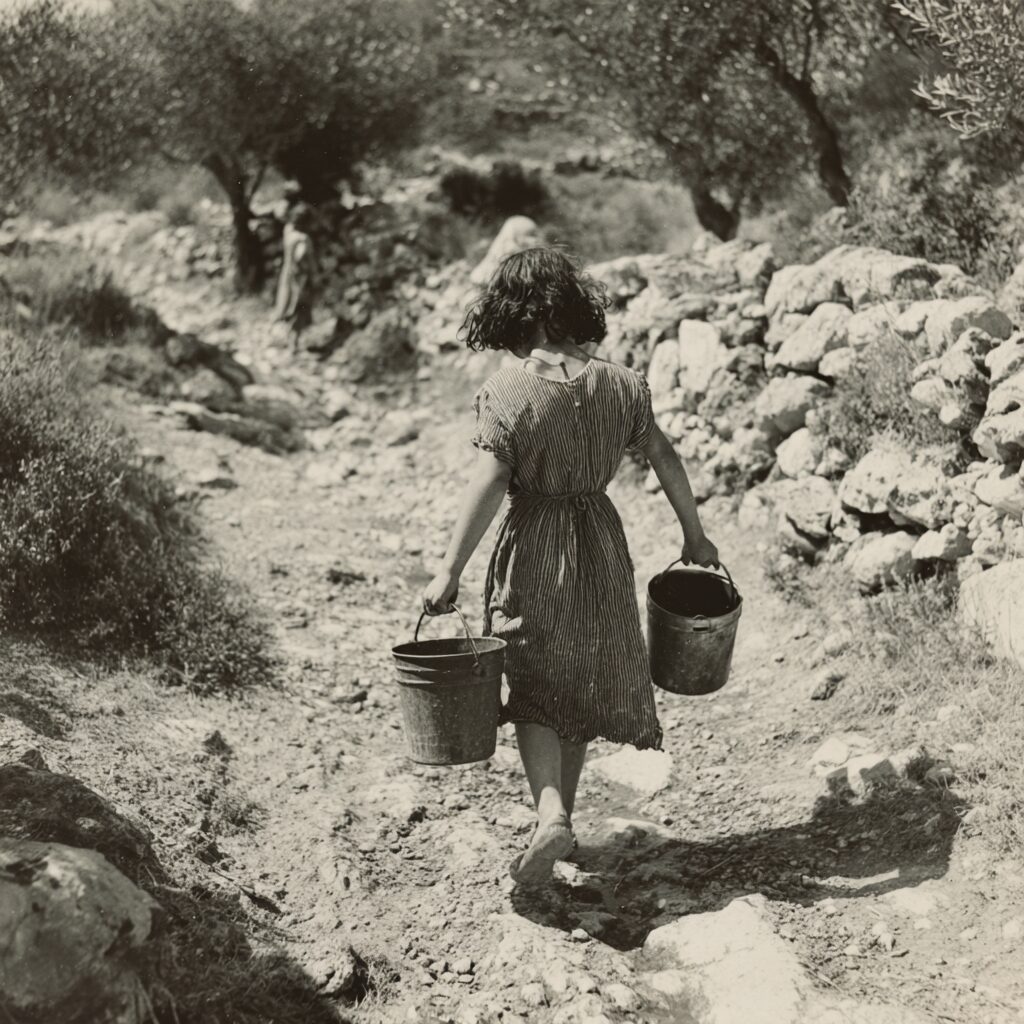
Maria Papadopoulou's earliest mornings began at the village well outside Kalamata, walking home beside her mother Eleni with a tin bucket biting into her palm. The house was kept in strict order, her grandmother always present near the stove, while her father Christoforakis worked as a bricklayer when work could be found. When there was none, the family relied on what Eleni could spin, weave, or sew for neighbours. Maria learned to shape bread dough in silence and carried water even when her hands ached from the cold.
She spoke of the winter when her mother divided a single piece of bread into tiny portions so each person would have something, and the family ate in silence because there was nothing left to say. After chores, she watched her mother sew by lamplight, learning to keep her hands busy and her words few. She remained in the village until she married at eighteen, leaving for Athens with her husband and the habits her mother had taught.
In Athens, Maria and her husband opened a bakery that became the centre of their family's life. Each morning before the city stirred, Maria moved quietly through the house — cleaning, preparing food, and setting everything in order. Only when every task was finished would she leave for the bakery, where she prepared dough, tended the ovens, and managed the small shop. The bakery was how the family survived, and Maria held them together through the work of her hands.
Maria never sat down to eat until every plate at the table was full. Even when urged to rest, she would wave a hand and say, "wait," continuing to serve until everyone else was settled. Food was always kept aside for others — family first, but also neighbours and the street cats that gathered near the bakery door. Each week, she collected leftovers and fed the cats outside her home, never missing a day no matter the weather. Nothing was wasted. One grandchild remembers sitting at the table as a child, watching Maria move quietly through the kitchen, preparing and serving before anyone could ask.
She attended church regularly, observing fasting periods and marking religious days without display. She never spoke of discomfort or complaint.
Discipline governed her days. If something needed to be done, she did it without delay or discussion. Rest was rare. Even when alone, Maria found tasks — folding, cleaning, preparing for the next day. Her voice was low and steady, never rushed or raised. When difficulties came, the house grew quieter; Maria did not complain, simply continued working. Her phrase, spoken only when it had been earned, was always the same: "Everything comes from patience." In her final years in Athens, surrounded by children and grandchildren, she kept the routines unchanged, serving quietly until her last winter.
What Maria left her family is carried in habits, not objects. Her granddaughter Elpida cannot begin a meal until every plate is filled — a rule she inherited without ever being taught it. Her son Georgios keeps the house quiet and steady when difficulties arise, working without pause and not raising his voice. Apostolos sets aside food for others before eating, just as his mother did at the bakery's door. The phrase Maria spoke only when it was truly needed — "Everything comes from patience" — is still said at family dinners in Athens. It belongs now to her children, who know exactly where it came from.
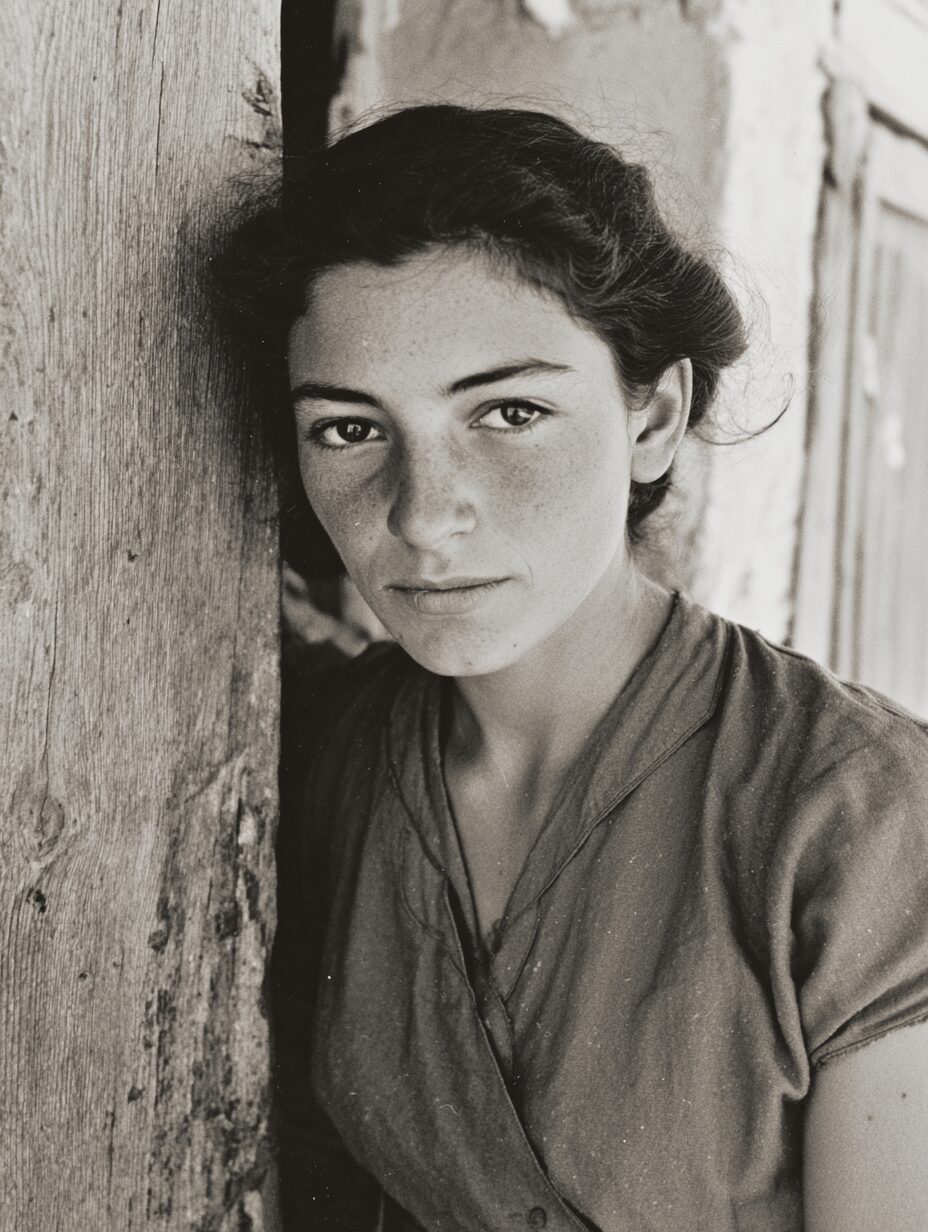
In Athens, the bakery doors opened before the city stirred. She was already in motion, hands pressing dough, flour dusting her arms, the first loaves rising in the oven. The air inside the apartment always smelled faintly of yeast and coffee, and by the time others woke, she had swept the kitchen, set the table, and lined up plates for each member of the family. No one ever saw the bottom of a pot — she kept food aside for anyone who might come, and each week she gathered leftovers, walking the pavement to feed the street cats behind the bakery. She did not speak of these things. Her work moved ahead of words, the rhythm of her days set by what needed to be done and who might be hungry.
She kept the fasts. On Good Friday, she dressed in dark clothes, stood in the middle of the church — not at the front, never seeking to be seen, but never absent. The candle flame left wax scars on her fingers, but she did not shift her grip. During the Epitáphios procession, her place was always the same, her voice silent as others wept and called out names. She did not compose verses or pin couplets to the icon, but she stood through the hours, holding her candle steady, carrying her part of the ritual without spectacle. At home, she lit the lamp near the icon shelf every evening, tracing the sign of the cross over the bread before cutting it.
There were no words in the house for what pressed beneath the surface. If trouble came, the rooms grew quieter, the work sharper. She did not complain of pain, even when her joints stiffened and her steps slowed. The vocabulary of her household did not include complaint or lament — only patience, only "everything comes from patience." When grief arrived, it did not move through wailing or public gesture. Silence settled in the kitchen, the movements slowed, but the bread was still made and the table still set.
What could not be named found its place in the early rising, the careful portioning of food, the steady hand on the bakery door, and the candle held through the burning wax each Good Friday.
The world Maria was born into, and the forces that shaped the generation she belonged to.
In the small villages outside Kalamata during the 1930s, daily life was the physical demands of rural subsistence. Children, including those in the household of the future bakery worker, rose before dawn to carry water from distant wells, the cold biting their hands even in winter. The household economy depended on every member's labour: bread was made at home, and no one sat idle, as the family's survival required constant effort.
The Axis occupation of Greece from 1941 to 1944 brought famine to these rural communities. Food became scarce, and paper drachmas lost value rapidly; families who could not barter for essentials went hungry. The memory of hunger from these years lingered long after, shaping how villagers approached work and food for decades.
The end of the occupation did not bring relief. Instead, the devastation of infrastructure and the eruption of civil war from 1946 to 1949 deepened hardship. In the Peloponnese, rural families struggled to feed children on meagre rations, with chronic malnutrition and disease common despite international food aid. Internal migration accelerated as villages emptied — by the late 1940s, one-quarter of rural settlements were laid waste, and thousands moved to cities in search of work.
Marriage at eighteen was not unusual, and the young woman who would later work in the Athens bakery assumed responsibility for her own household almost immediately. The bakery trade, first in the village and later in the city, was shaped by the rhythms of scarcity and the discipline learned during the war.
By her late twenties, she and her husband joined the internal migration wave, leaving the village for Athens. There, small trade households like theirs became common, as rural skills were repurposed to meet urban demand. The bakery opened early each day, with work beginning before sunrise and ending only when every loaf was sold or every order filled. Rest was rare; the economic logic of the city demanded relentless effort, especially for those without inherited capital or connections.
Throughout the 1960s and into the years of dictatorship (1967–1974), the pressure on small trade families in Athens intensified. The long decade was experienced as a continuous tightening — political uncertainty, surveillance, and the expectation that everyone would keep their head down and avoid drawing attention. In such an environment, faith was maintained quietly, the Orthodox parish remained a point of reference, but religious observance was private, shaped by habit and necessity.
By the time osteoarthritis set in, the bakery worker's pain was kept hidden, as was the custom in households where work was a duty and complaint meant burdening others. In Athens, as in the village outside Kalamata, the day began before sunrise, with the smell of bread and the sound of quiet movement through the house.
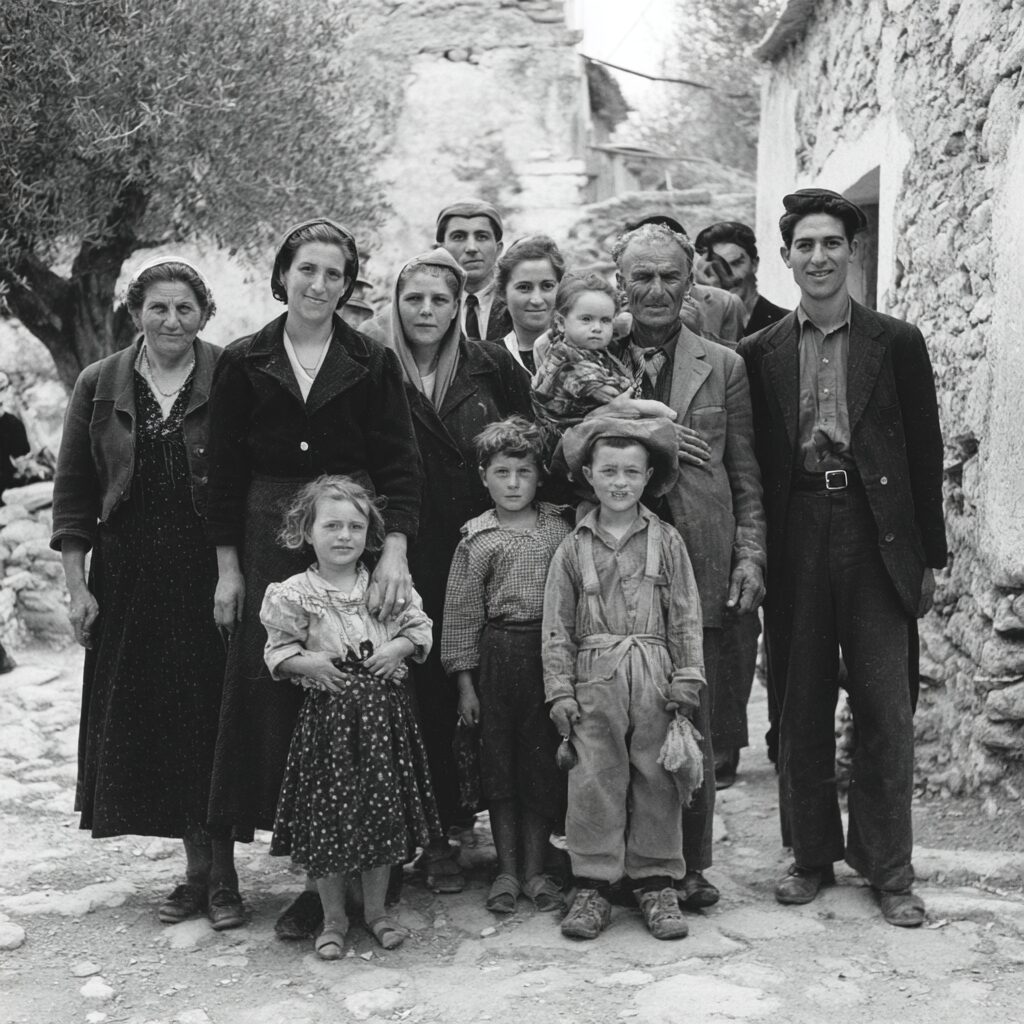
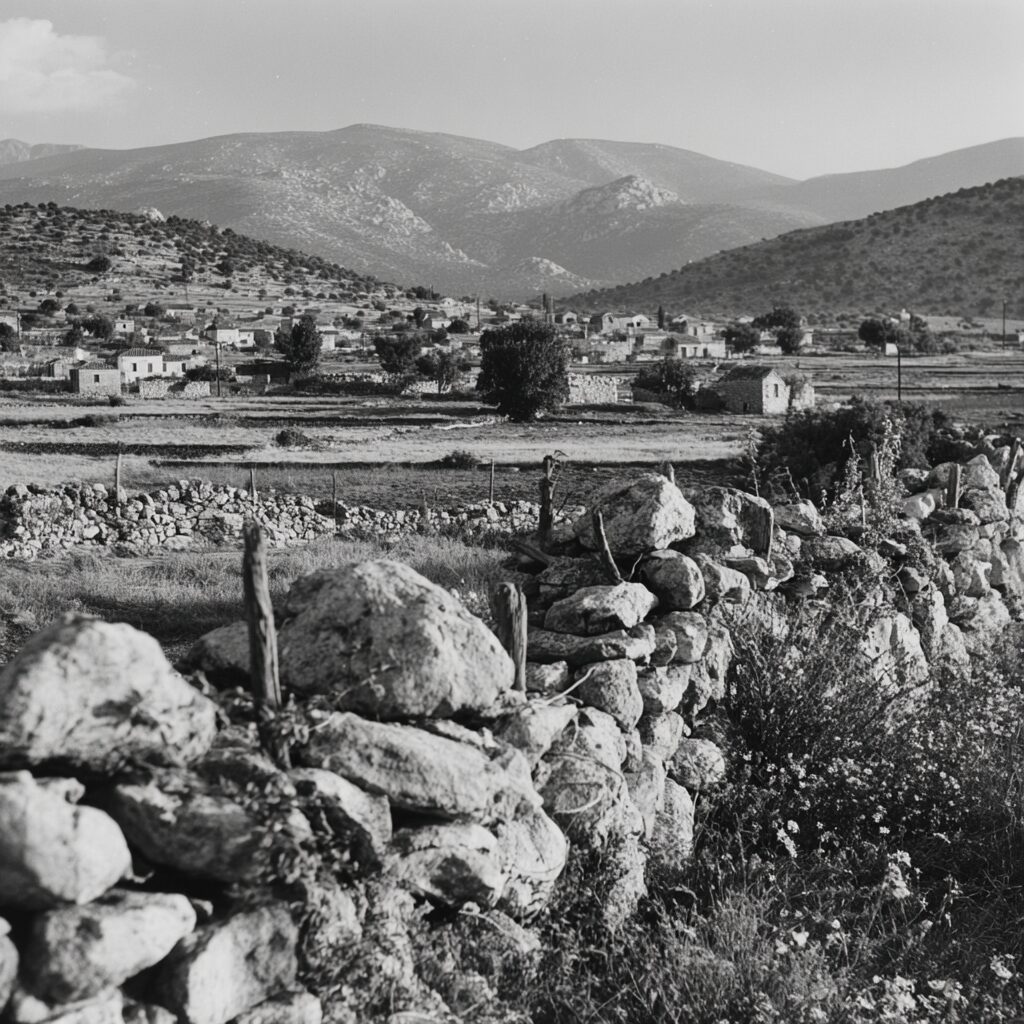
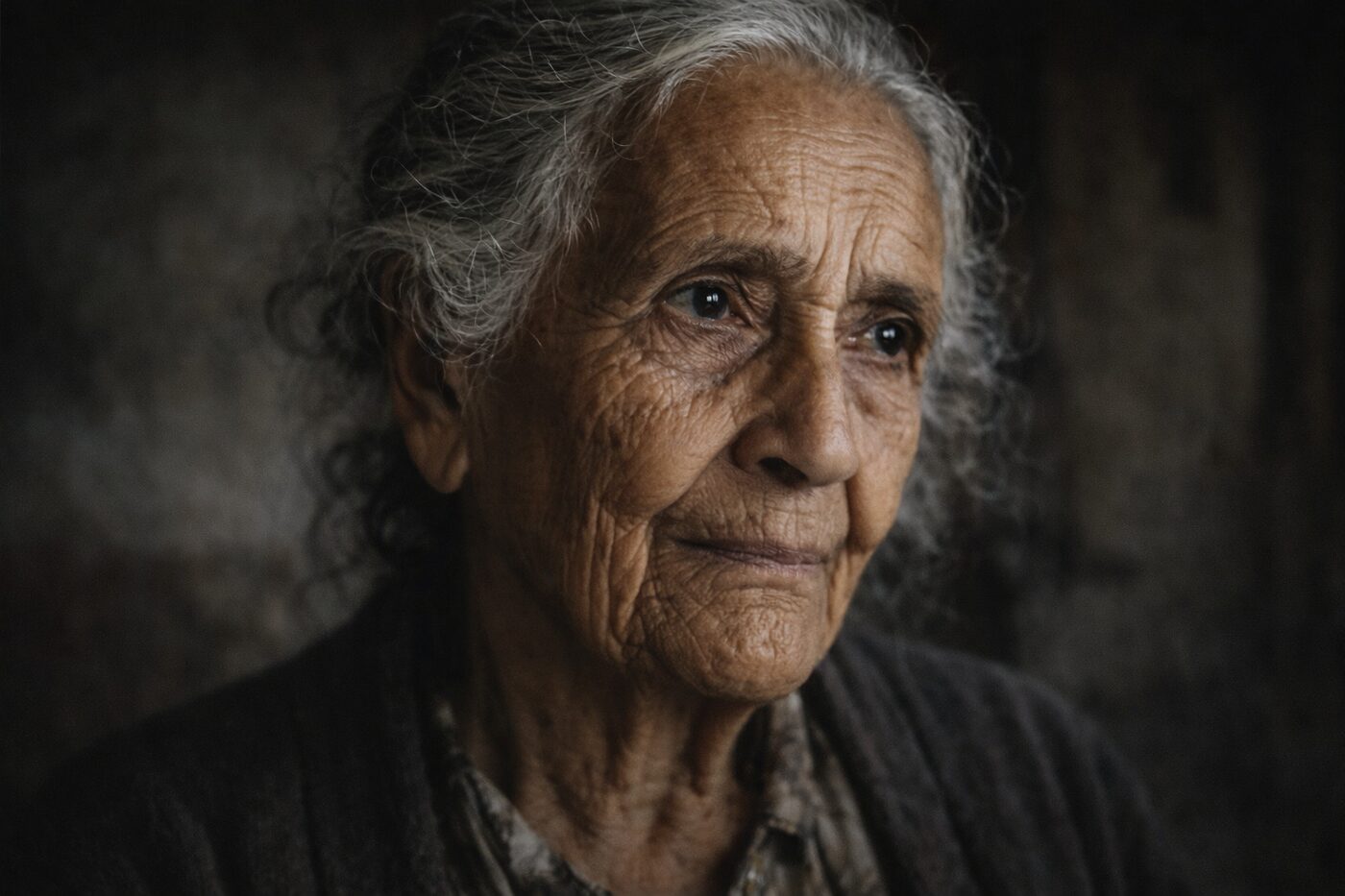
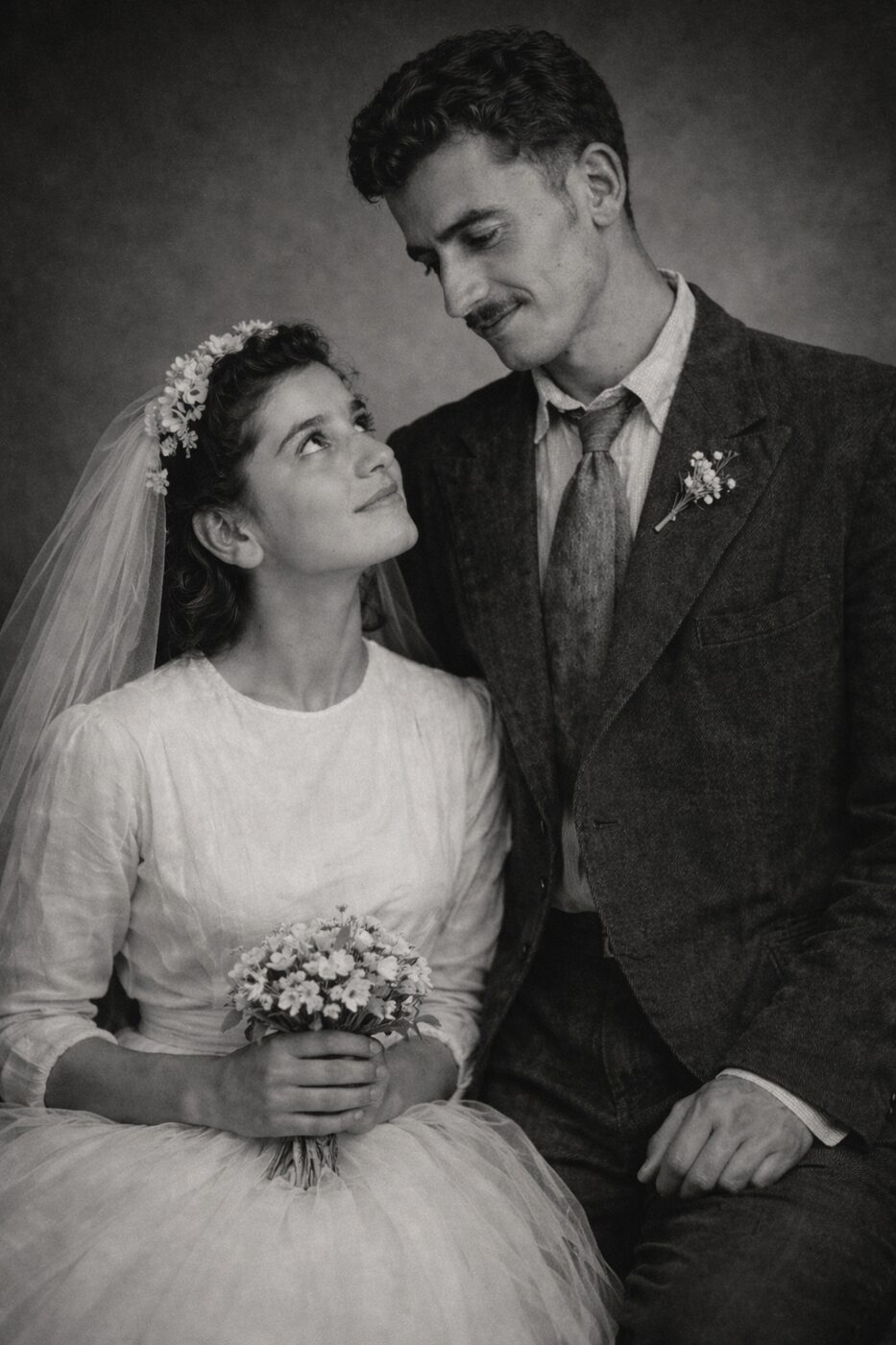
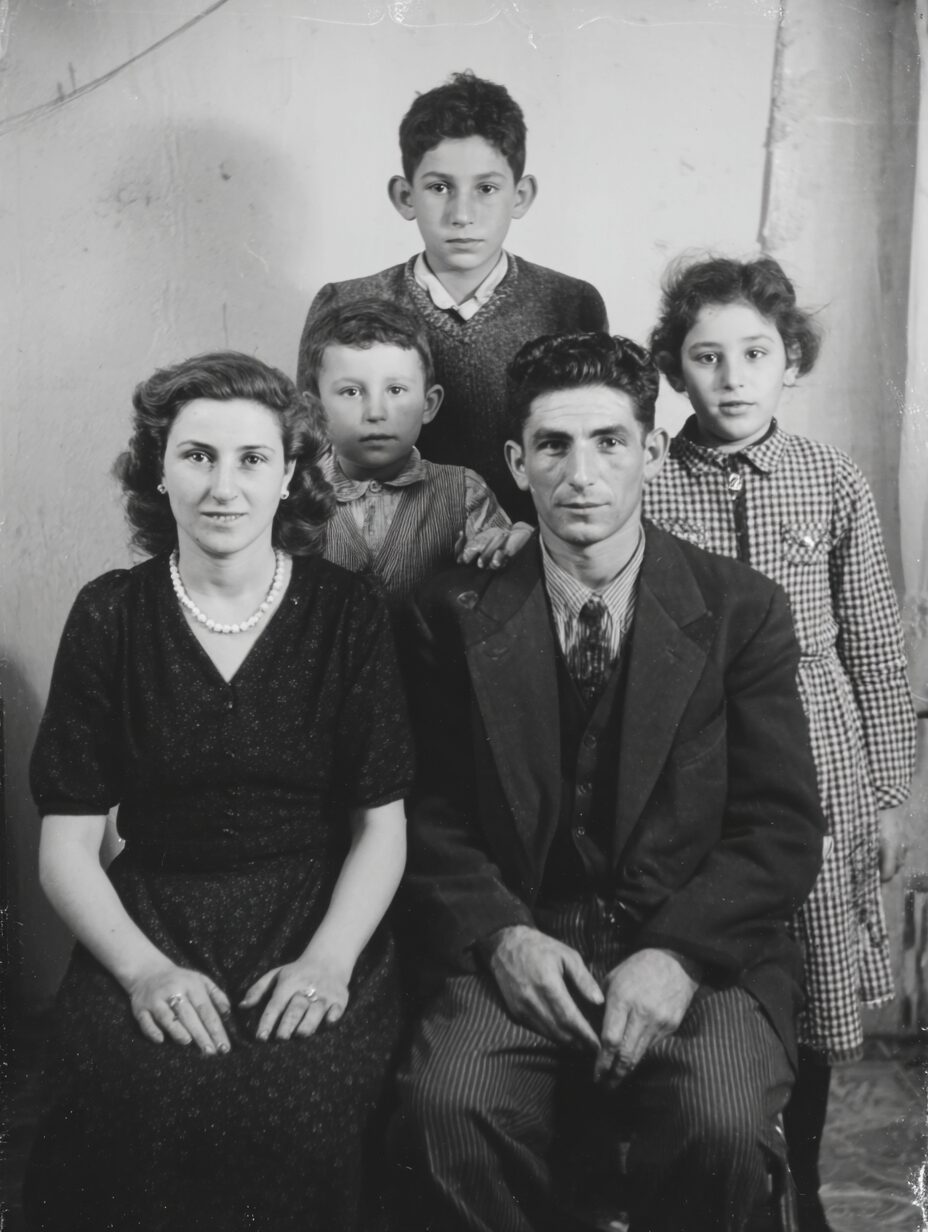
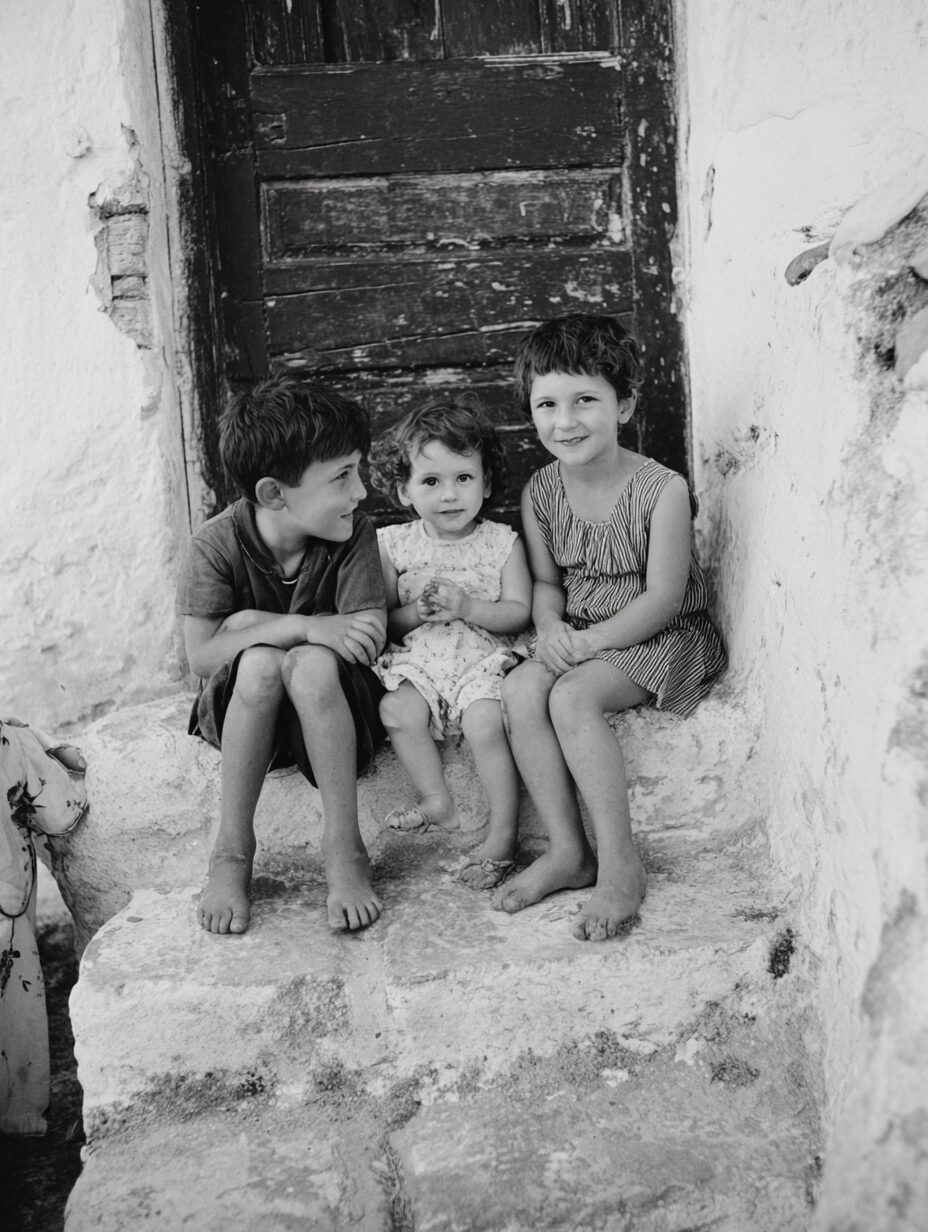
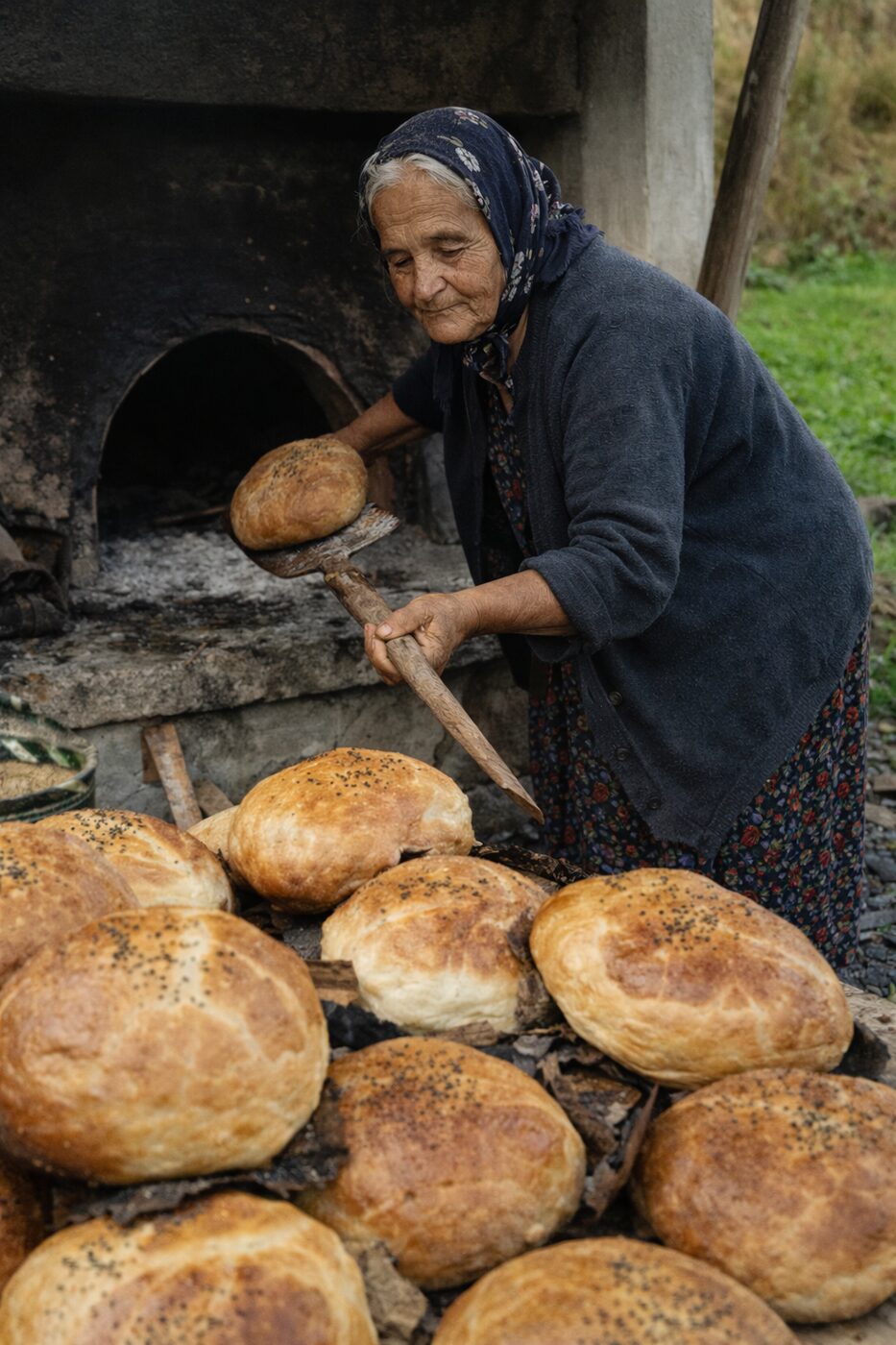
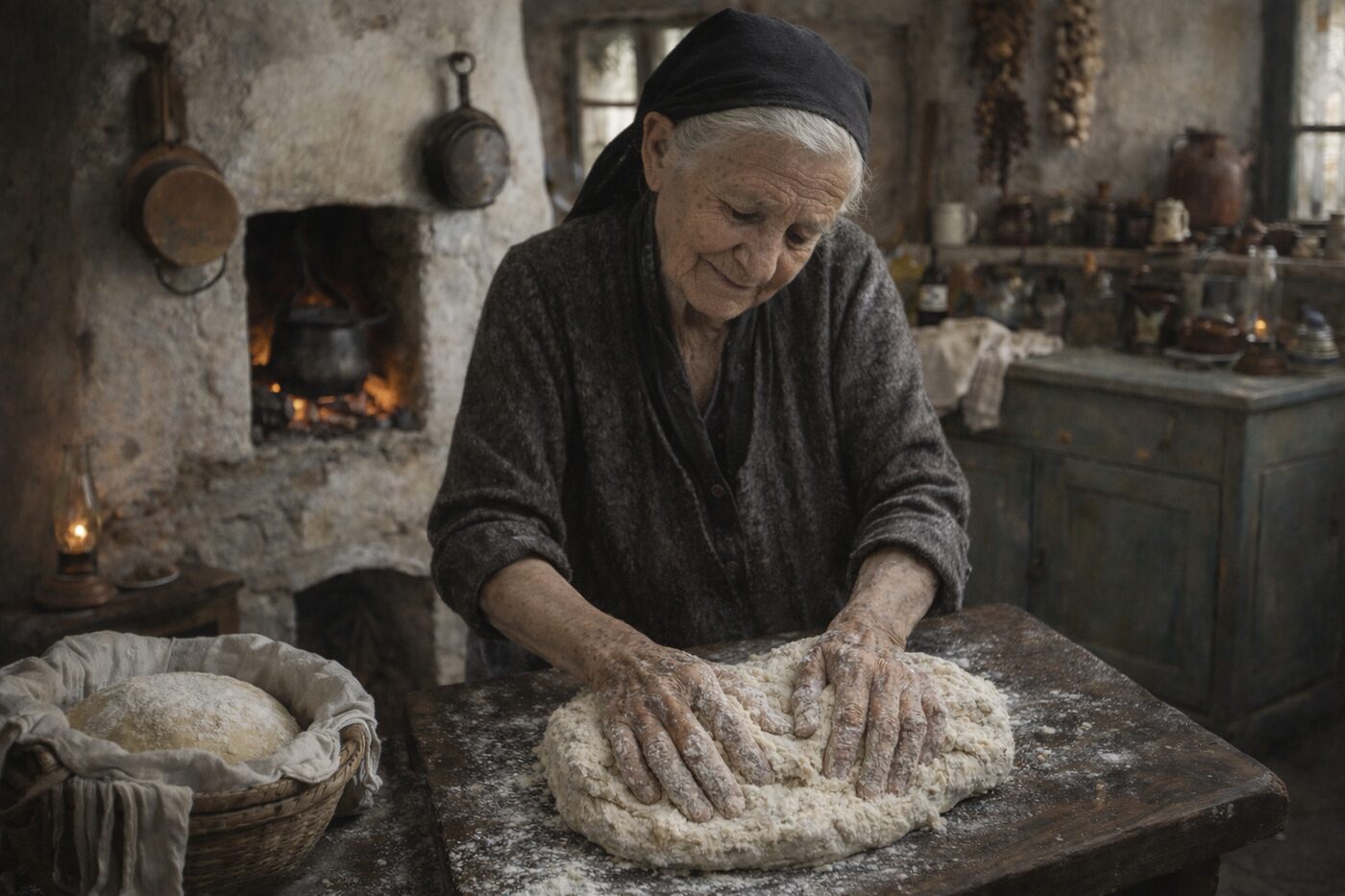
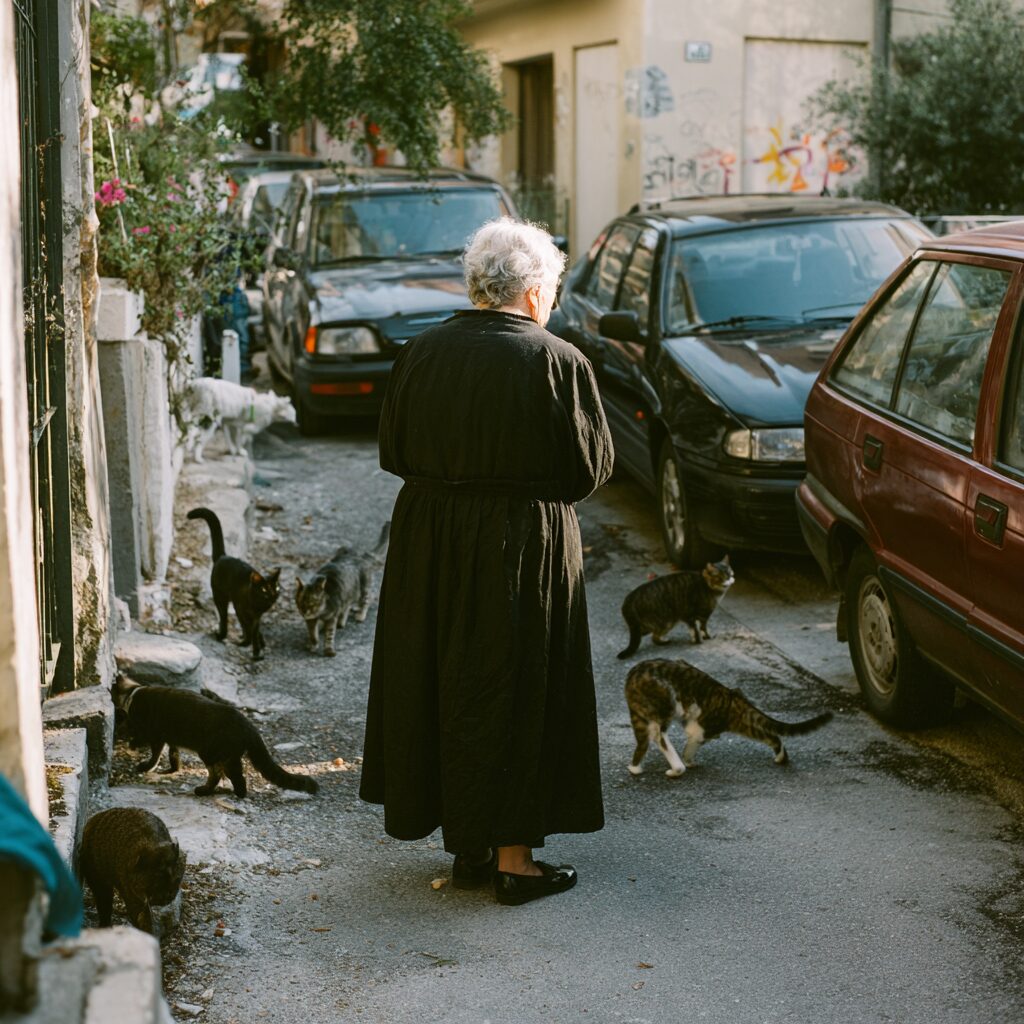
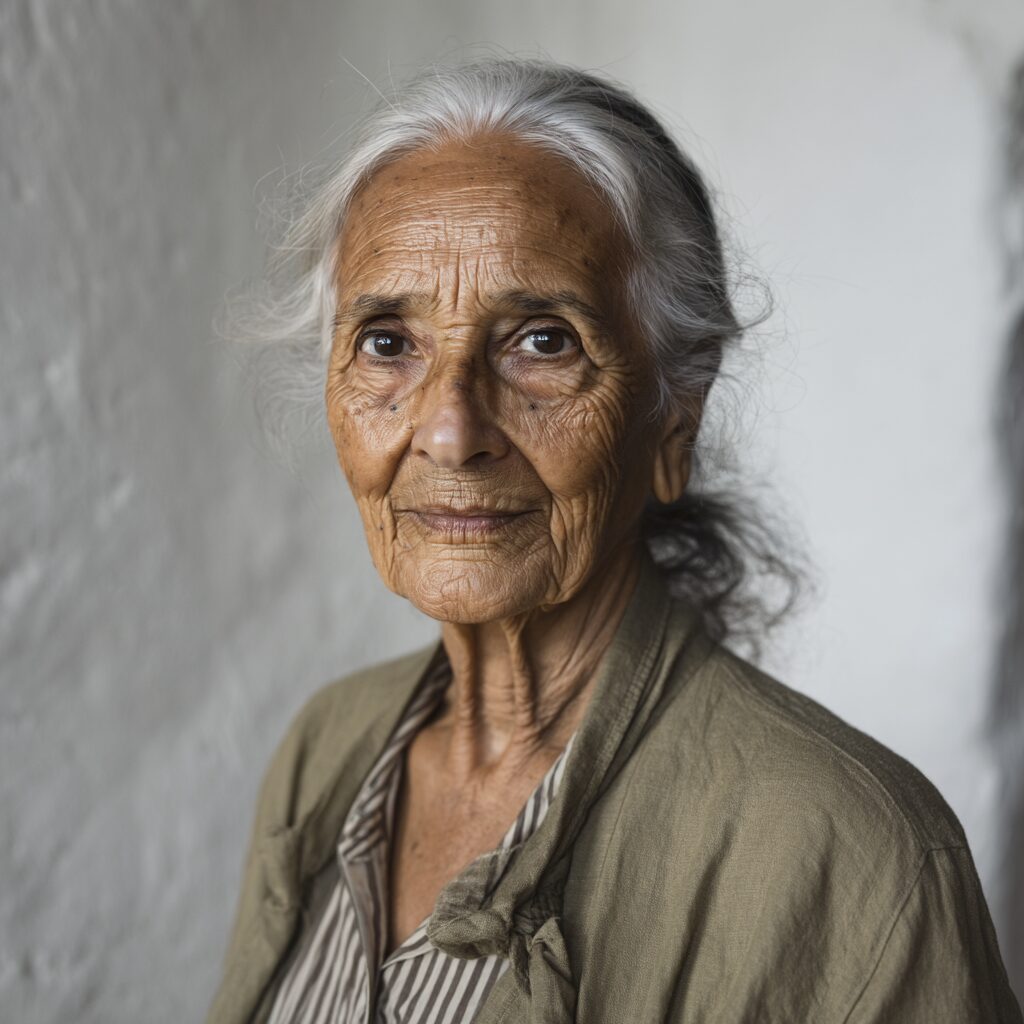
Illustrative photographs — your memorial features your family's own images
"She never told us about the pain. We found out from my father, years later — that she had been living with osteoarthritis for a long time and had kept it entirely to herself. That was not stubbornness. That was her way of protecting us. Every morning she was already up before us, already working, already making something for the table. We just thought that was who she was. We did not know how much it cost her. I think about that every day."
"Our friends called her the catwoman. We used to be embarrassed about it when we were teenagers, which seems absurd to me now. Every week she cooked extra, set aside the leftovers, went downstairs and fed the cats that gathered by the building entrance. Nobody asked her to. Nobody even knew she was doing it at first. It was just something she decided the world needed and she was the one to provide it. She was like that about most things."
"My father used to say she was delicate and strong at the same time. He said it often enough that I stopped hearing it. Now I understand exactly what he meant. She did not raise her voice. She did not make demands. She simply held everything together through an act of will that none of us fully appreciated while she was doing it. When he died in 2016, we worried about her. She grieved in her own quiet way and then she kept going. That was Mama. That was always Mama."
"She had a phrase she used when things went wrong: 'Όλα από υπομονή.' Everything through patience. She did not say it to comfort us. She said it because she meant it as a practical instruction. Patience was not passive for her — it was a method. She applied it to bread dough, to difficult neighbours, to illness, to loss. I have been saying it to my own children and grandchildren for thirty years and I still do not do it as well as she did."
"She grew olive trees in Kalamata on a piece of land she kept her whole life. She almost never went there — holidays were not something she believed in for herself — but she kept the land, she tended the trees on the rare occasions she visited, and she talked about them with a specific kind of calm that she did not use for anything else. I think Kalamata was where she was still the girl she had been before the war, before Athens, before all of it. Those trees were something nobody could take from her."
"Sunday lunch at Yiayia's was not an event you attended. It was a place you returned to. The table was always full before anyone arrived. She had been in the kitchen since early morning and there was no question of helping, because by the time you offered, everything was already done. I brought my children there as soon as they were old enough to sit at a table. I wanted them to know what it felt like to be fed by someone who considered it a complete and serious act of love."
"We shared a landing for thirty-one years. In that time I do not think I ever heard her complain about anything. Not the building, not the neighbours, not her knees, not the winters. What I remember is the smell of her cooking coming under the door on Sunday mornings and the sound of her going to church on Good Friday with the same steadiness she did everything. She was someone whose presence made the building feel like it had a centre. When she was gone, we all felt it differently than I expected to."
"I married into this family when I was twenty-four years old and I did not know what to make of her at first. She was quiet, she observed carefully, and she formed opinions she did not always share. After about two years she started calling me by my name instead of 'the boy,' and I understood that I had been accepted. She was not warm in the way that announces itself. She was warm in the way that feeds you and makes sure there is enough left over and never once mentions it."
Your words will be reviewed by the family before appearing here.
Tributes are reviewed by the family before appearing on this page.